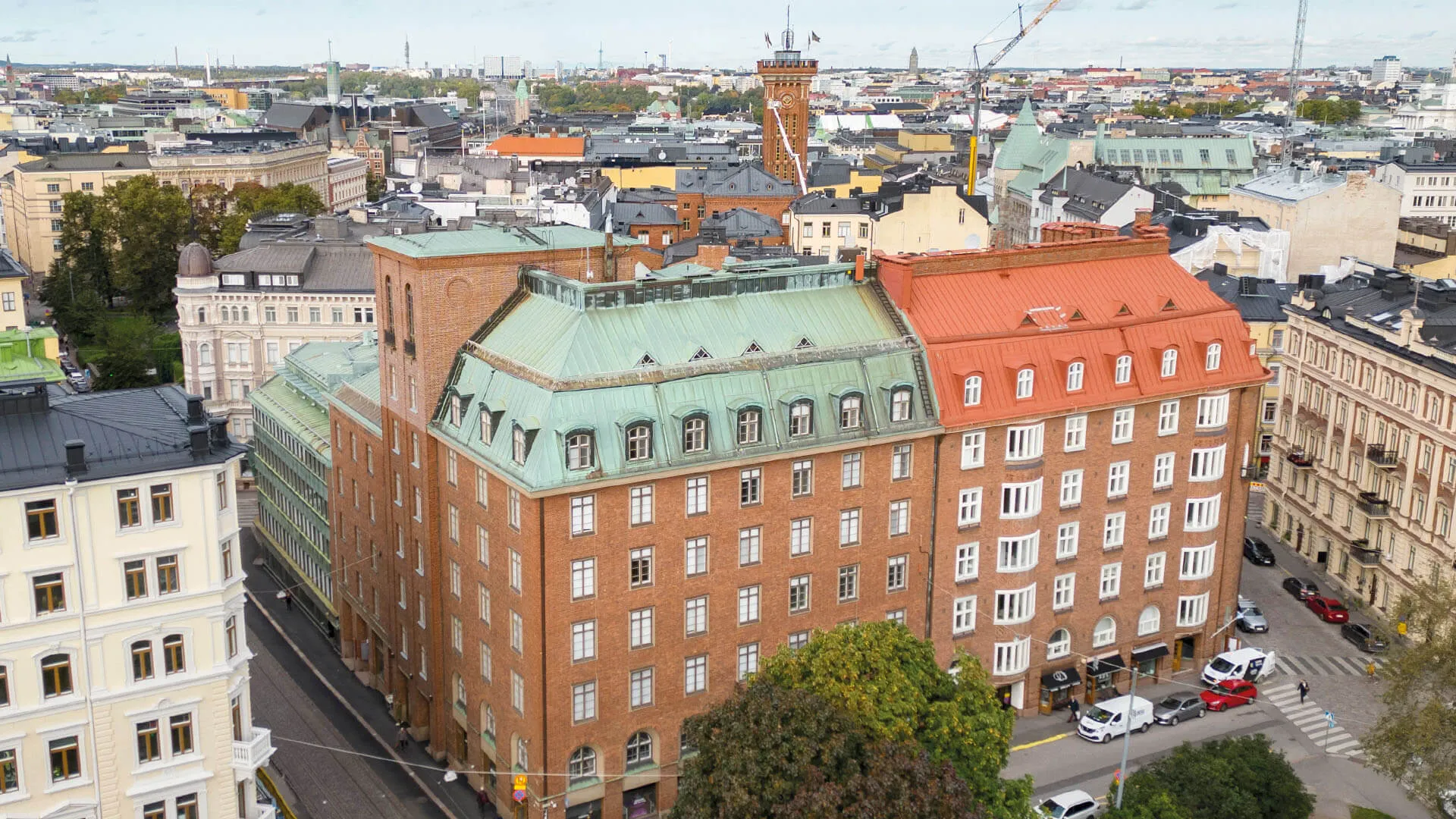
No blind spots at handover: How Areim uses Clouder at Gloria property
Optimal asset performance
Before tenants move in
After commissioning a renovation project, you’re usually flying blind for the first year. Systems don’t behave the way they were designed to. Energy consumption doesn’t match the models. Tenants start complaining. You send technicians out to investigate and they can’t find the cause. You have more meetings. Meanwhile, you’re paying for all of it.
Areim didn’t want that at Gloria so they connected Clouder to the building’s systems already before completion. By the time the first lease started, the team already had a live view of how the building was actually running.
With Gloria, we didn’t want to spend the first year figuring it out. Clouder gave us the transparency we needed to address our data debt upfront, ensuring the building was optimized before the first tenant even walked through the door.
Hannu Tammia, Asset Manager, Areim AB
Operational wins
The value of the platform became concrete through three immediate operational wins at Gloria:
Remote airflow troubleshooting
During final checks, it was detected that restaurant smells were spreading into office corridors. The building automation system gave no clear answer, but through Clouder the team got direct visibility into the data, tracked down the root cause, and resolved it without a single site visit or investigation meeting.
Unified energy monitoring
District heating and district cooling had been monitored separately, which meant piecing together the full energy picture from different reports. Clouder put both in the same view, in real time. Instead of waiting for monthly utility statements, the team could see what was happening and react to it.
Future-proofed reporting
Clouder’s system is pulling sub-metering, air quality, and indoor conditions into the same view. This ensures Areim has a permanent, automated record of the building’s health and performance for both its own ESG reporting and tenants.
Benefits
Efficient handover period. The first months after a renovation are usually the most expensive as the projects start going over budget. Technicians, site visits, and meetings to figure out why things aren’t working cost time and money. At Gloria, most of that was avoided because the problems were caught before tenants arrived.
Better lifecycle economics. If you start with a 10% efficiency gap, you spend years trying to fix it through reactive patches. Getting the baseline right on day one means you’re not carrying that cost forward for the next decade.
Better tenant experience. Small technical issues, like a draft or uneven heating, usually go unnoticed by the owner until a tenant complains. At Gloria, those drifts show up in the data before anyone picks up the phone. That means fewer complaints, faster fixes, and happier tenants.